Why Social Media Became the New Frontier of Fear
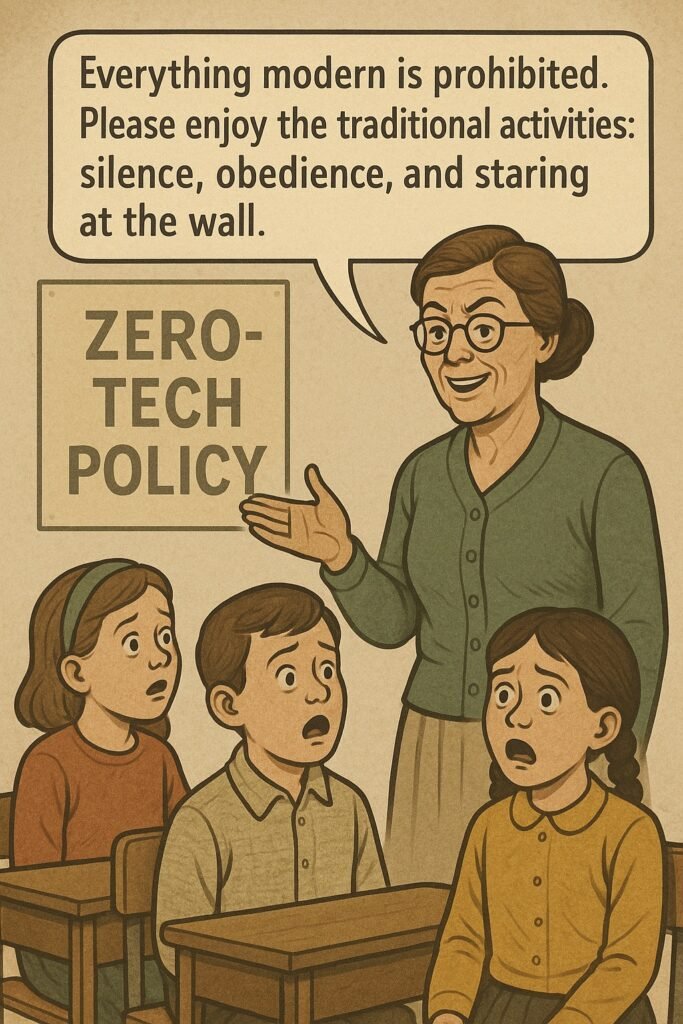
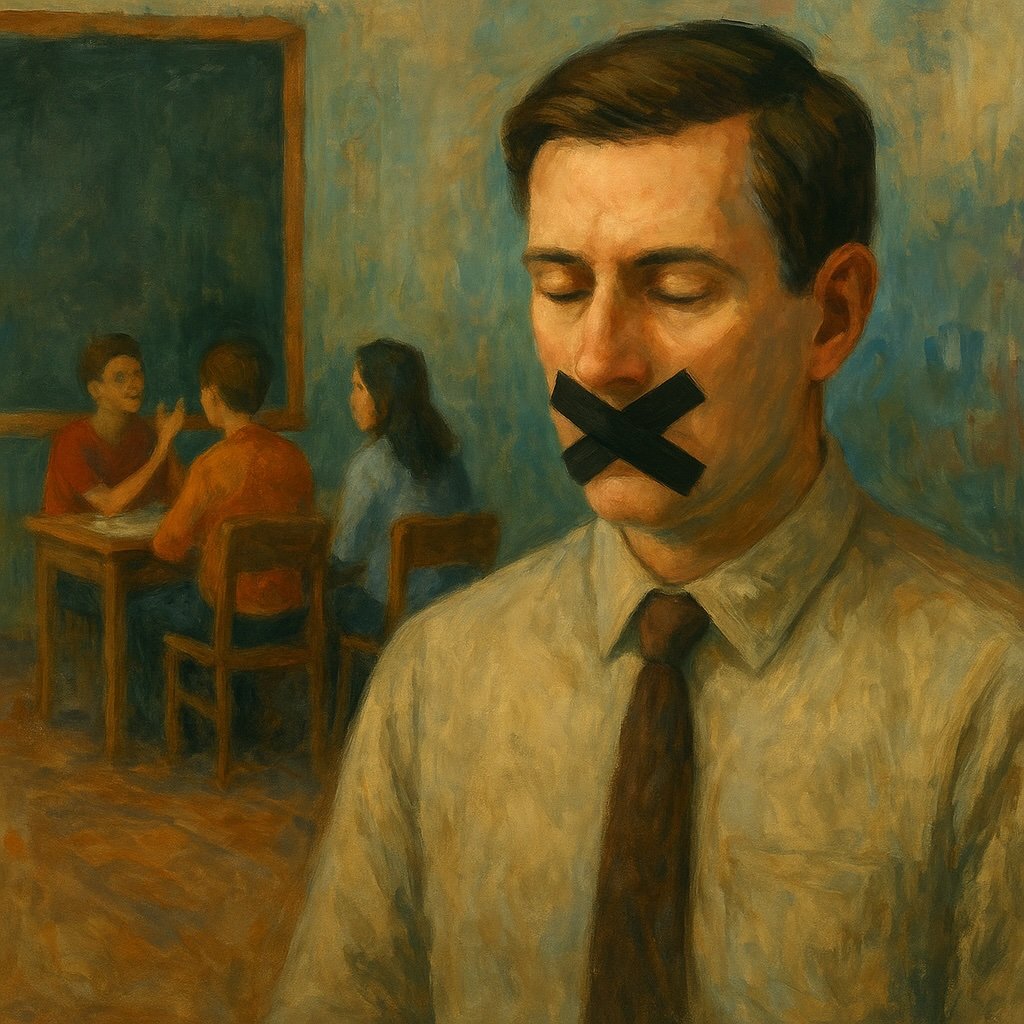
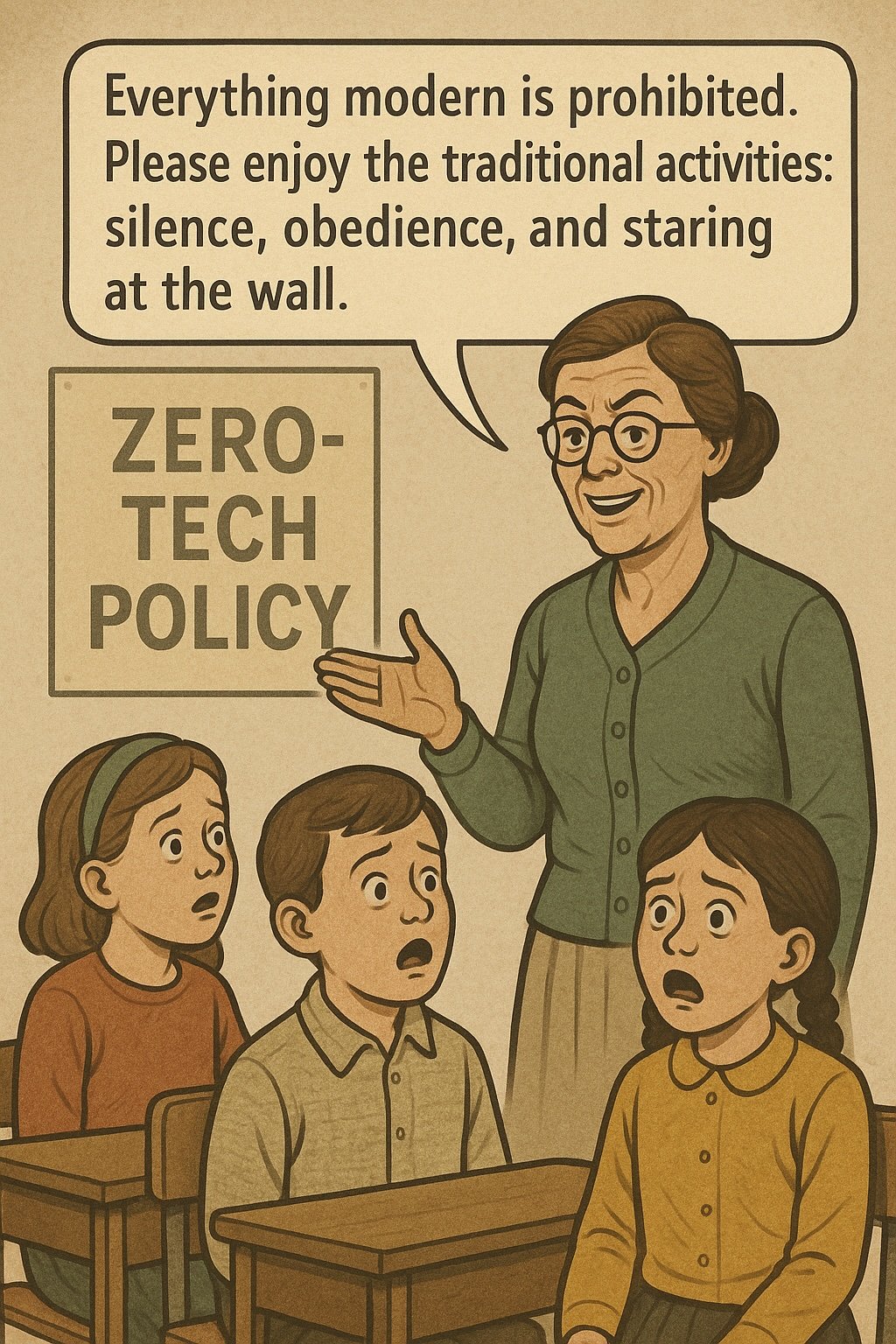
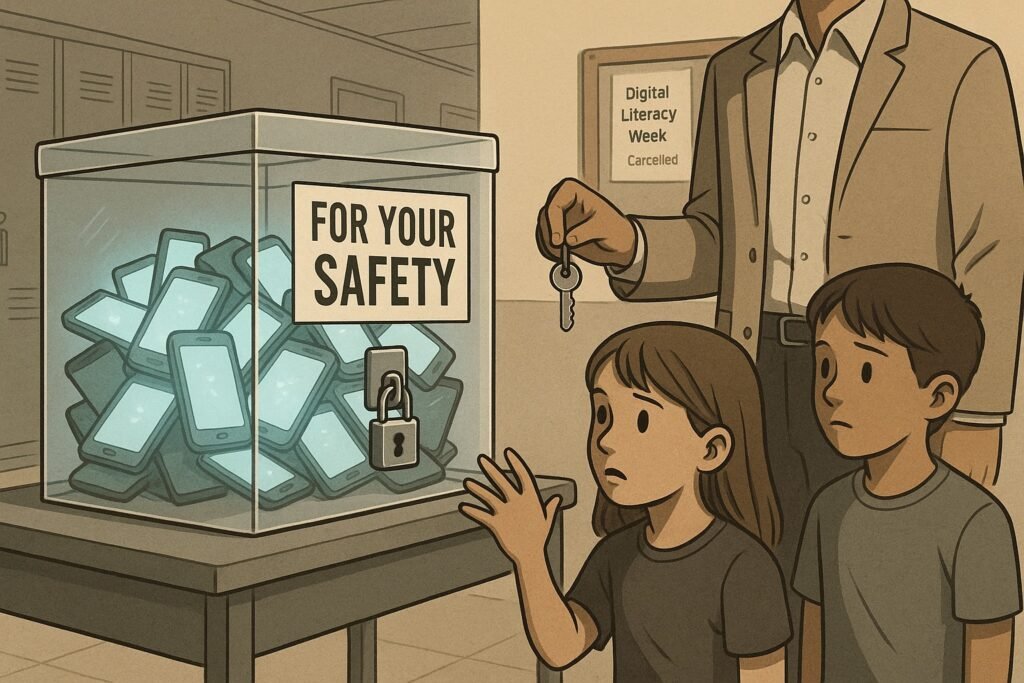
Public debates about social media and young people often turn quickly into moral panics. With Australia’s recent proposal to prohibit minors from accessing social platforms, many applaud the decision as an act of protection. Yet such measures, however well-intentioned, risk becoming draconian knee-jerk reactions to technological change. Historically, nearly every new medium—photographs, film, radio, television, the internet—was greeted with predictions of social collapse. Each time, the instinct was to restrict rather than educate.
What concerns me is how readily societies choose to remove tools from children’s hands instead of teaching them how to use those tools responsibly. The result is not empowerment but infantilization: a systematic diminishing of young people’s agency, capacity, and voice. It is much simpler—and far cheaper—to legislate abstinence than to fund comprehensive digital literacy. Yet, abstinence from reality has never prepared anyone to face it.
I agree that young people need protection, yet I am not convinced that blanket prohibition is the answer. The pattern is familiar: we fear the tool instead of investing in the skills that would make its use healthy and meaningful. Moreover, when we focus solely on removing access, we risk suppressing expression rather than equipping children to navigate a digital world they will inevitably inherit. In humanistic education, the goal is not isolation from complexity but guided engagement with it. Self-expression, transparency, and critical digital literacy are essential for understanding both self and society.
Responsible content regulation has its place, but throwing the baby out with the bathwater usually signals a reluctance to fund real education—teaching children how to evaluate media, manage emotions, and interact online with awareness. These are the capacities that support long-term well-being. Restriction may feel decisive, yet growth comes from learning, not from enforced absence.
From Digital Bans to Educational Censorship
The social-media debate echoes a broader pattern in education: the impulse to protect children by narrowing their world. This impulse often manifests as curricular censorship, sanitized course materials, and an avoidance of challenging topics. As Holbrook Jackson, a British journalist and essayist of the early twentieth century, wrote, “Fear of corrupting the mind of the younger generation is the loftiest form of cowardice.” Human development depends on engagement, not evasion.
In my book, What About the Teacher?, I explore how censorship in education creates “a narrow scope of the world and its citizens,” ultimately stunting students’ ability to engage meaningfully with society. The issue is not controversy itself; the issue is our fear of it. When adults suppress difficult topics, they are not protecting children—they are mirroring their own anxieties back into the classroom.
This same dynamic plays out in the social-media debate. The challenge is not the platform but the absence of guided, critical literacy to accompany its use. When we treat young people as incapable, we make them so.
Bringing It Back to the Classroom: What Are We Really Teaching?
If we panic at social media, we will panic at open dialogue in the classroom. The mechanism is the same: narrowing the world in order to protect children from it. Yet such narrowing prevents the development of capacities essential for healthy adulthood—discernment, empathy, critical thinking, and responsible autonomy.
When teachers censor content, avoid difficult issues, or rely on sanitized coursebooks, we implicitly teach that complexity is unsafe. When we sanitize materials to the point of triviality, we deny learners the opportunity to engage with the very world they must eventually navigate. Blanket bans on digital platforms risk replicating this educational pattern on a national scale.
The challenge is not to remove the world from children, but to help children move through the world with awareness.
What About the Teacher? – A reflective task
Self-actualization in teaching begins with recognizing that authority is not synonymous with control. Teachers, much like parents and policymakers, must confront their own fears—fear of controversy, fear of error, fear of judgment. It is easier to censor than to facilitate. It is easier to silence than to guide.
However, humanistic teaching demands something more mature of us. It requires us to examine why we avoid certain topics, why we choose the comfort of simplicity, and why we sometimes protect ourselves instead of preparing our learners. We cannot cultivate critical citizens if we shrink from the very complexities they must learn to face.
So, consider:
- Are you protecting your students, or protecting yourself?
- Does your teaching cultivate agency, or does it inadvertently reinforce dependency?
- Are you fostering critical literacy, or shielding students from critical thought?
- What kind of adults are we shaping when avoidance becomes our dominant pedagogical stance?
Ultimately, education is not about removing the world from learners. It is about accompanying them into it—with structure, honesty, and compassion.
Conclusion
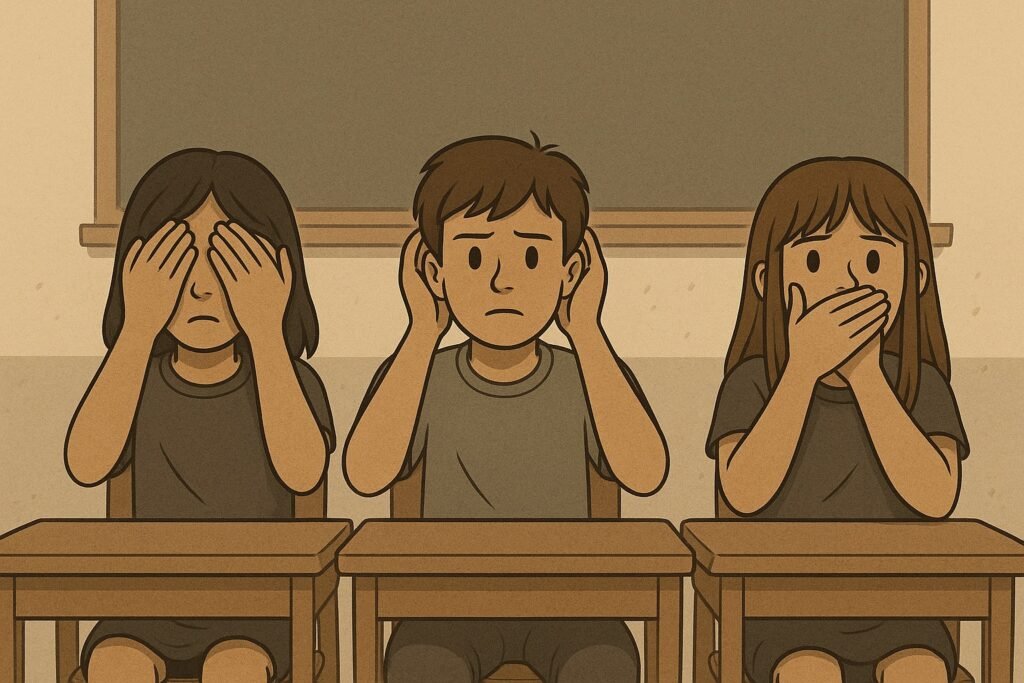
Blanket bans may soothe public anxiety, but they do little to cultivate resilience or wisdom. Whether in digital policy or classroom practice, removing access cannot replace the slow, necessary work of education. Children do not need perfect protection; they need meaningful preparation. They need adults willing to teach them how to move through complexity, rather than adults determined to hide it from them.
If the future truly belongs to them, our responsibility is not to limit their world, but to help them understand it—and eventually shape it.
References:
Jackson, H. (2007). Platitudes in the making. Dodo Press. (Original work published 1913)
For more articles like this, please consider our publication, What About The Teacher?—the main text upon which the our online certificate course in humanistic TESOL teaching is based. The book is available online in both digital and paperback formats at: https://www.amazon.com/dp/B0FPBWNXTZ
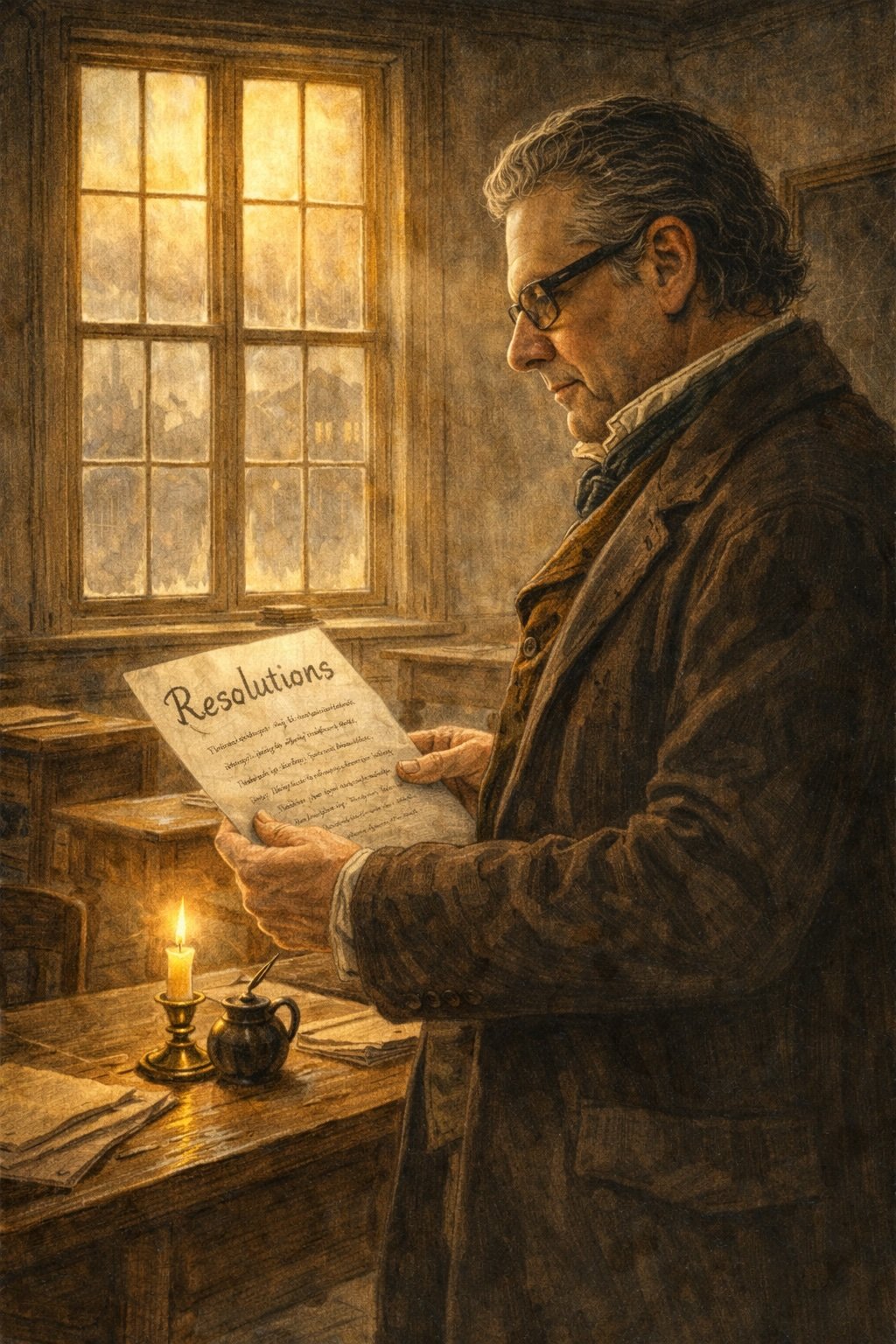
✨ While you are contemplating your personal and profesional development, as well as your New Year’s resolutions, please consider adding our self-paced 120-hour online certificate course to your list: For more information, click here for the ELT Vista Certificate in Humanistic TESOL Teaching. Enrollment Is Open Now with a special! Holiday Launch promotion! ✨